
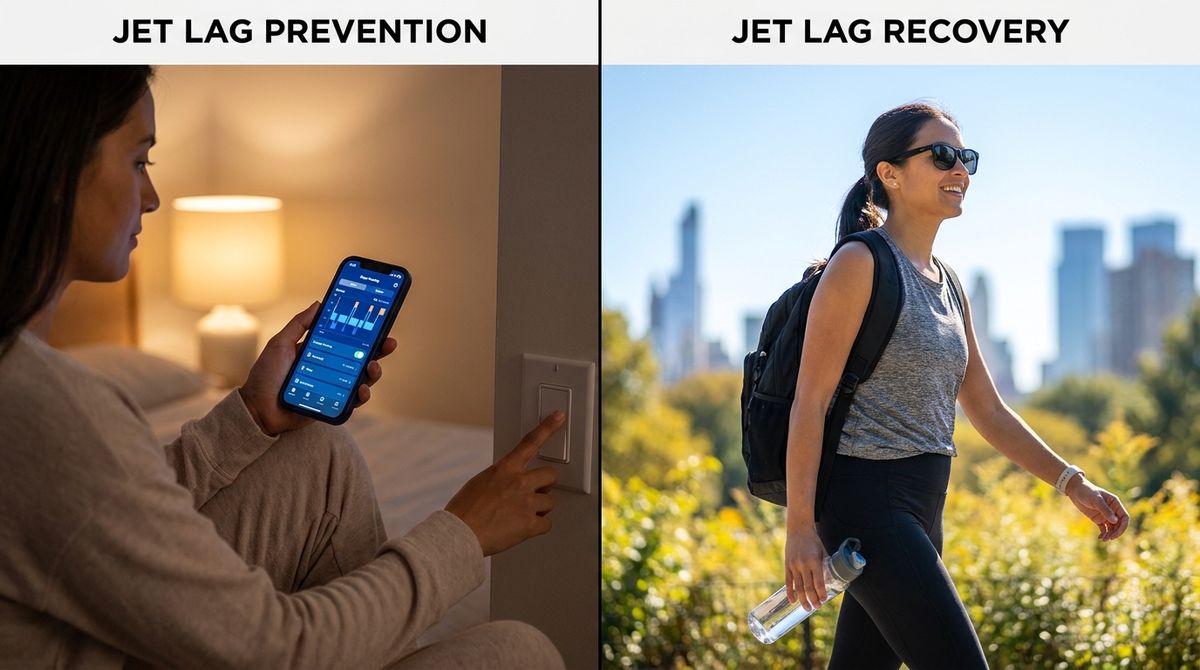
A visitor who has flown a long distance often arrives tired, slightly disoriented, and grateful for a room that feels calm and ready. Whether the guest is a relative returning home for a family event or a colleague visiting for a short course, the first night matters. A well-prepared room helps them rest, while a rushed one can leave them awake and uncomfortable. This guide explains how to set up a guest room for someone arriving from another country, and it highlights details that hosts often overlook.
Thinking about jet lag and sleep
Long journeys disrupt sleep, and many visitors struggle with daylight at odd hours. Choose a room with blinds or curtains that block morning light, so that the guest can rest even when the sun is up. A simple eye mask and a pair of earplugs placed on the bedside table can make a real difference. If the room faces a busy street, consider a fan or a white-noise device, because a steady background sound often helps people sleep through unfamiliar noise.
Ask about the guest’s expected arrival time and whether they plan to sleep soon after landing. Some visitors prefer to nap briefly and then stay up until the evening. Others want to go straight to bed. A short conversation before they arrive lets you plan the room’s temperature, the bedding, and the time of the first meal. Readers may also want to visit sindoweekly-magz.com.
Here is a short list of comforts that many hosts keep ready for an arriving guest:
- Blinds or curtains that block early morning light
- A spare blanket and a light layer for cooler rooms
- A glass of water and a small snack on the bedside table
- Clean towels and a bathrobe placed near the bathroom
Arranging the practical details
Visitors from abroad often need a few practical things that residents take for granted. Show them how the heating, the lights, and the shower work, and leave a written note with the Wi-Fi details and the address of the house. If they carry a mobile phone from another country, let them know whether the local network is likely to work, and suggest that they check roaming options with their own provider before they travel.
Consider the power supply as well. Plug sockets may differ from those in the guest’s home country, so a simple adapter placed on the desk is a thoughtful touch. Ask whether they need to charge several devices overnight, and keep a spare extension lead ready if your room has only one socket. You can also visit Gossipnewsline.com for more reading.
Helping with documents and local rules
Many guests from abroad carry important documents, such as passports, visas, and travel insurance papers. Encourage them to keep these in a secure place, and avoid storing them in a shared drawer where they might be misplaced. If your home has a safe, offer it politely, and explain how it opens. A small note on the desk reminding them where their documents are can prevent a great deal of stress on the first morning.
Visitors may also be unfamiliar with local rules, such as waste sorting, the use of car parking permits, or quiet hours in an apartment building. Explain these simply and early. Many governments publish up-to-date guidance for travellers, and it is sensible for the guest to check their own official sources before arriving, particularly for visa and entry requirements. Hosts are not expected to give legal advice, so it is kind to point the guest towards the right authorities rather than guessing.
Making the room feel welcoming
A guest room does not need to be elaborate. A clean, uncluttered space with a comfortable chair, a small table, and a shelf for personal items is often enough. Place a few local maps, a notepad, and a pen where the guest can see them, because many people like to plan their days in the room before going out. A small vase of seasonal flowers or a simple plant can make the space feel cared for.
Think about the view and the sense of safety. Make sure the window opens and closes easily, and that the room has a working lock. Show the guest where the nearest exits are, especially in a multi-storey building. This is practical advice, and it also helps the visitor feel secure in an unfamiliar country.
Some hosts also keep a small card with the nearest pharmacy, the address of a local clinic, and the emergency number for the area. Visitors often appreciate having these details on paper, particularly if their phone battery runs low. For a related read on this site, see Handling Lost Members and Missed Connections on a.
A guest arriving from abroad benefits from a room that is calm, clean, and prepared with care. Think about light and sound, leave clear instructions for the basics, point the visitor towards official travel guidance, and keep the space simple and welcoming. If the guest has a medical condition or needs medication during the stay, encourage them to speak with their own doctor before travelling and to carry a clear record of their prescriptions.