
Travelling during the monsoon season can feel daunting, especially when heavy rain arrives suddenly and roads become busy or flooded. Yet many travellers discover that this time of year brings lush green landscapes, dramatic skies, and quieter attractions that are easier to enjoy when the crowds have thinned. The secret is to prepare for disruption while still leaving room for the beauty that the rains bring.
This article explores how to plan a monsoon trip with realistic expectations. It covers flexible bookings, sensible packing, safe transport choices, and ways to keep the itinerary enjoyable even when the weather changes quickly. The guidance is general in nature, so always follow local advice from authorities and transport providers. Readers may also want to visit toptensbest.com.
Choosing destinations and dates with care
Start by researching which regions are most affected by heavy rain and which remain comparatively stable. Coastal areas, hill stations, and river valleys can experience different patterns, so it helps to read recent local reports rather than relying on general impressions. Consider travelling in the earlier or later part of the season, when conditions can be more predictable. Booking accommodation on higher ground or in well-drained areas can also make a noticeable difference to comfort.
Flexibility is valuable during this season. Choose itineraries that do not depend on a single train, flight, or ferry departure on a specific morning. If you are visiting several places, allow a spare day in each city so that a delayed journey does not ruin the rest of the trip. You can also visit bbcnewspoint.com for more reading.
Packing for rain without overloading your bag
Waterproof gear is essential, but it should be lightweight and easy to pack. A compact rain jacket, a poncho, and a durable dry bag for electronics are usually more useful than bulky umbrellas, which can be hard to manage in crowds or on a motorbike. Choose quick-drying clothing in neutral colours, and pack an extra pair of shoes that can get wet without ruining the rest of your luggage.
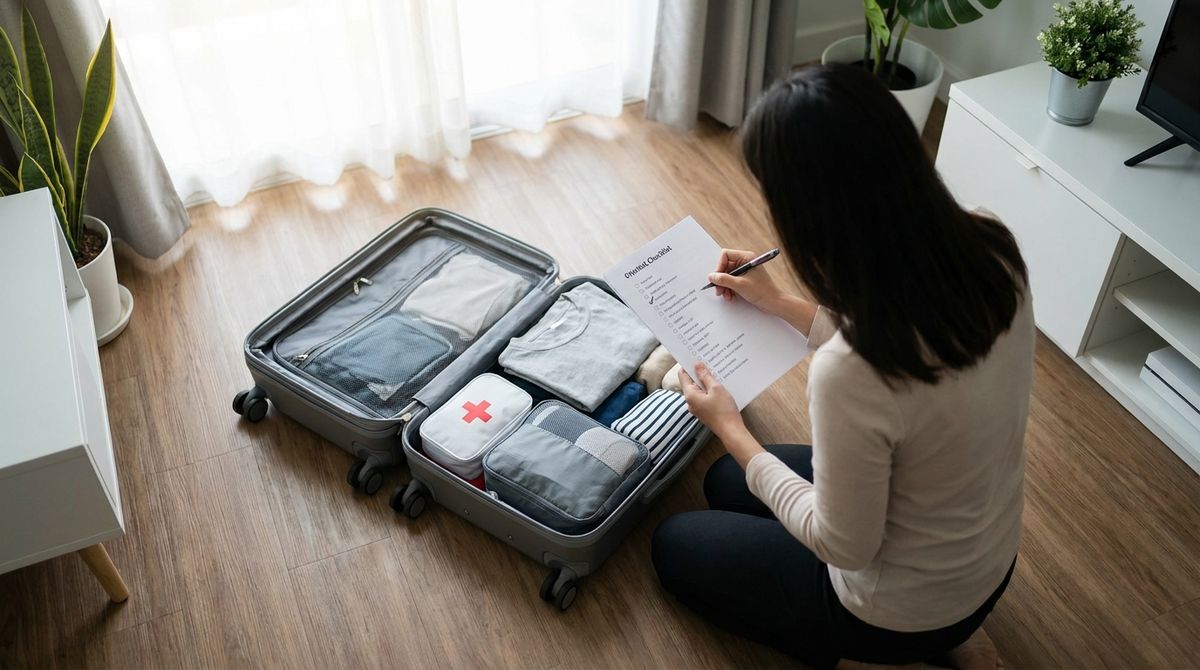
Protect documents and important items in sealed plastic pouches. Keep copies of identification and travel insurance details in a separate place, both on paper and on a secure device. Pack a small kit with insect repellent, basic medicines, and a torch, since power cuts can be more common during heavy storms. Carrying a reusable water bottle and a few snacks ensures you are never caught out when transport is delayed.
Staying safe on roads, trains, and waterways
Safety should guide every choice you make during the monsoon. Avoid walking through flood water, because the current can be stronger than it looks and hidden debris can cause serious injury. Avoid driving through flooded roads, and listen to advice from local authorities if they recommend staying indoors. If you must travel, choose daylight hours where possible and allow extra time for every journey.
Boat trips, river crossings, and cliff walks are best postponed when storms are forecast. Ask your accommodation about evacuation routes and where to shelter in case of an emergency. If you feel unwell, seek medical help promptly, and remember that a qualified professional can offer advice tailored to your needs. A short conversation with the staff at your hotel can reveal useful local knowledge that no guidebook will provide.
For a related read on this site, see Running Network Cable Through an Old House Without. With patience, preparation, and a flexible mindset, the monsoon season can offer some of the most atmospheric and restful travel experiences of the year.
Enjoying the season with sensible plans
Monsoon travel can be deeply rewarding when you embrace indoor pleasures alongside outdoor ones. Visit museums, cafes, craft workshops, and local markets on rainy afternoons, then head outside when the sky clears. Many travellers enjoy the freshness of the air after a shower and the sound of rain on a tin roof. Planning one or two flexible activities each day keeps the trip balanced without feeling rushed.
Before you leave, check the latest advice from official sources and keep a simple checklist for each day of travel. The points below can help you stay organised as conditions change.
- Check the forecast and local transport updates each morning before leaving.
- Keep a charged power bank, a torch, and a paper copy of key addresses.
- Store documents in sealed pouches and keep a digital backup on a device.
- Confirm where you will stay if a road or station is closed unexpectedly.
- Agree on a daily check-in with someone at home so they know your plans.