
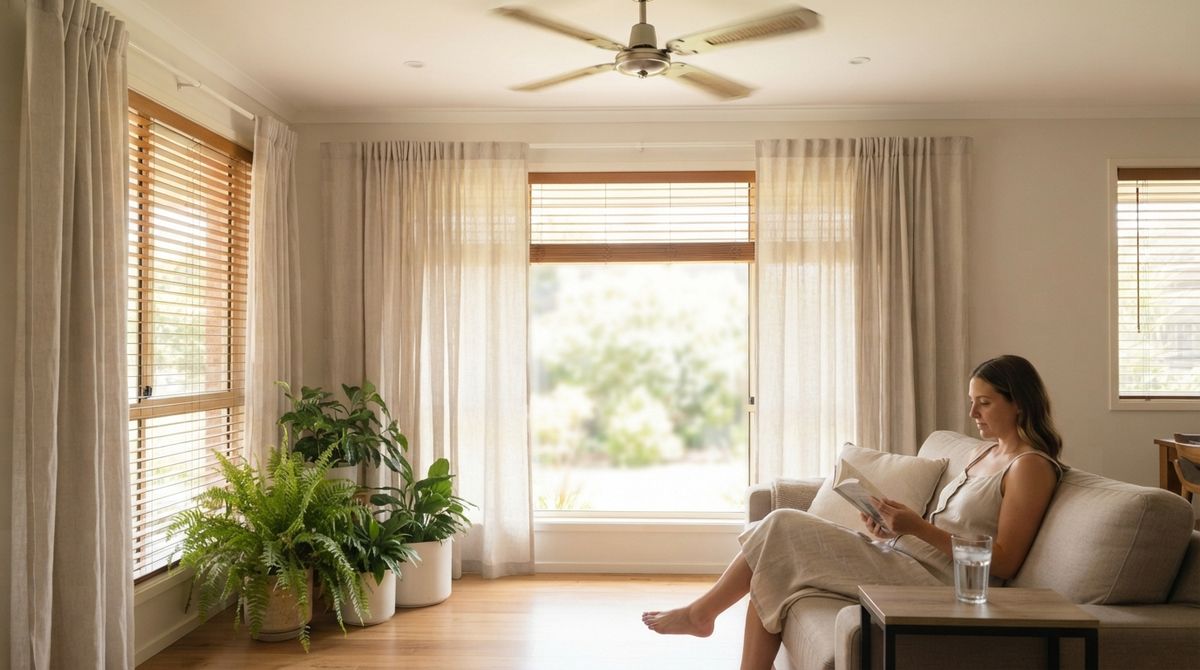
A peaceful home begins with an understanding of how physical space affects daily life. Over months and seasons, closets gather discarded garments, countertops collect stray paperwork, and storage corners fill with items that once seemed indispensable. Living amid accumulated clutter often creates quiet friction, turning routine tasks into slow searches and making relaxing rooms feel busy. Taking time to sort through belongings is less about strict minimalism and more about restoring clarity, comfort, and purpose to the spaces we share each day.
Approaching this process with care transforms decluttering from an exhausting chore into a restorative home practice. When we treat our living environment with gentle intention, clearing away excess becomes an opportunity to evaluate what truly serves our household. Rushing through a room with garbage bags often leads to regret or unnecessary waste. Instead, developing steady, conscious habits allows us to pare down thoughtfully while ensuring that usable goods find meaningful destinations rather than ending up discarded without a second thought.
Reframing How We View Household Belongings
Most clutter does not arrive all at once. It enters quietly as gifts, impulse purchases, seasonal extras, or duplicate tools acquired during busy weeks. Because these items carry memories or personal value, parting with them can trigger hesitation. Many people store broken appliances or ill-fitting clothing under the impression that they might be useful someday. Acknowledging this emotional attachment is the first step toward releasing items that no longer contribute to daily well-being.
Shifting perspective from holding onto items out of obligation to caring for the space itself brings immediate relief. Every object in a home requires a degree of maintenance, whether that means dusting, organizing, or simply moving it aside to reach something else. When a home holds fewer unnecessary goods, the remaining possessions receive better care, and rooms become significantly easier to clean. Setting aside dedicated hours for gentle reflection before touching a single cupboard prevents decision fatigue and fosters a grounded mindset for the project ahead.
Tackling One Functional Zone at a Time
A common pitfall in home organization is attempting to address every room in a single weekend. Tearing apart multiple closets simultaneously quickly creates chaos, leaving residents stranded amid piles of unsorted belongings. A far more sustainable method involves dividing the home into distinct functional zones and completing one before opening another. Beginning with a small, manageable spot like a bathroom vanity or a single kitchen drawer provides an immediate sense of accomplishment and builds momentum.
Larger areas such as basements, attics, and garages present unique challenges because they tend to become catch-all zones for forgotten projects. When handling these deeper spaces, approaching the task with patience and genuine care for the property keeps the effort manageable. Helpful guidance from fairy-clean-out.com highlights the value of tending to living spaces with respect and patience, showing how steady pacing prevents burnout during extensive sorting sessions. Dedicating focused blocks of time over several weekends allows family members to examine storage bins thoroughly without feeling overwhelmed by the volume of material.
A Systematic Method for Responsible Sorting
Sorting becomes much simpler when clear categories exist before the first cabinet door opens. Setting up labeled containers or staging areas keeps items moving forward rather than shuffling between tables and floors. As each object is handled, make an immediate decision rather than setting it aside in a secondary uncertainty pile.
To maintain momentum, categorize every item into one of four intentional groups:
- Keep: Items used regularly or cherished deeply that belong in designated, accessible places.
- Repair or Mend: Goods that serve a clear function but require minor maintenance or cleaning before reuse.
- Donate or Share: Usable items in sound condition that can benefit neighbors, community groups, or local charities.
- Recycle or Discard: Broken or degraded materials that cannot be restored and must be handled through proper waste channels.
Setting a firm timeline for the repair category prevents delays. If a garment remains unmended or a tool unsharpened after a few weeks, it belongs in the donation or recycling stream.
Keeping Excess Belongings Out of the Waste Stream
A thoughtful home cleanup should not result in overflowing garbage bins filled with reusable materials. True domestic care extends beyond our exterior doors into the wider community. Textiles, kitchenware, books, and tools often have substantial useful life left, and finding proper channels for them honors the resources used in their creation. Neighborhood swap meets, community donation drives, and local reuse networks offer simple paths to give surplus possessions a vibrant second chapter.
For renters and homeowners alike, aligning organizational habits with environmental responsibility creates lasting value. Exploring platforms like Greenrenters.org provides useful insights into sustainable home living and low-impact household choices, helping people make eco-conscious decisions within their living quarters. When sorting through functional goods, consider offering surplus furniture or building materials to local non-profit rebuild centers. Small efforts to divert durable items from local dumps protect community resources and foster a culture of neighborly sharing.
Creating Order to Support Household Efficiency
Clearing out cluttered corners does more than improve visual appeal; it fundamentally alters the way a home functions. When floors, shelves, and baseboards are free of storage boxes and lingering debris, airflow improves throughout the house. Heating vents and cooling registers operate unhindered, allowing climate control systems to circulate conditioned air without working against physical blockages. Cleaning routines become noticeably faster, as vacuum cleaners and dusters glide easily across open surfaces without requiring constant rearranging.
Pairing a clean interior layout with smart habits for cleaner homes reinforces long-term domestic comfort and helps households maintain low-maintenance living environments. Dust settles less heavily when surfaces remain uncluttered, contributing to fresher indoor air quality and reducing the time required for weekly chores. Furthermore, family members spend less time searching for lost items, reducing everyday stress and creating a calm, predictable baseline for daily routines.
Maintaining an uncluttered home requires ongoing awareness rather than annual marathons of deep cleaning. Adopting a simple habit of assessing new arrivals before bringing them inside prevents accumulation from restarting. When a new pair of shoes or kitchen utensil enters the house, take a moment to evaluate whether an older, unused equivalent can be passed along to someone in need.
By viewing home organization as an ongoing act of care rather than a rigid discipline, living spaces remain peaceful, functional, and welcoming. A tidy home provides a calm sanctuary from the demands of work and travel, offering every resident room to breathe, rest, and thrive.