
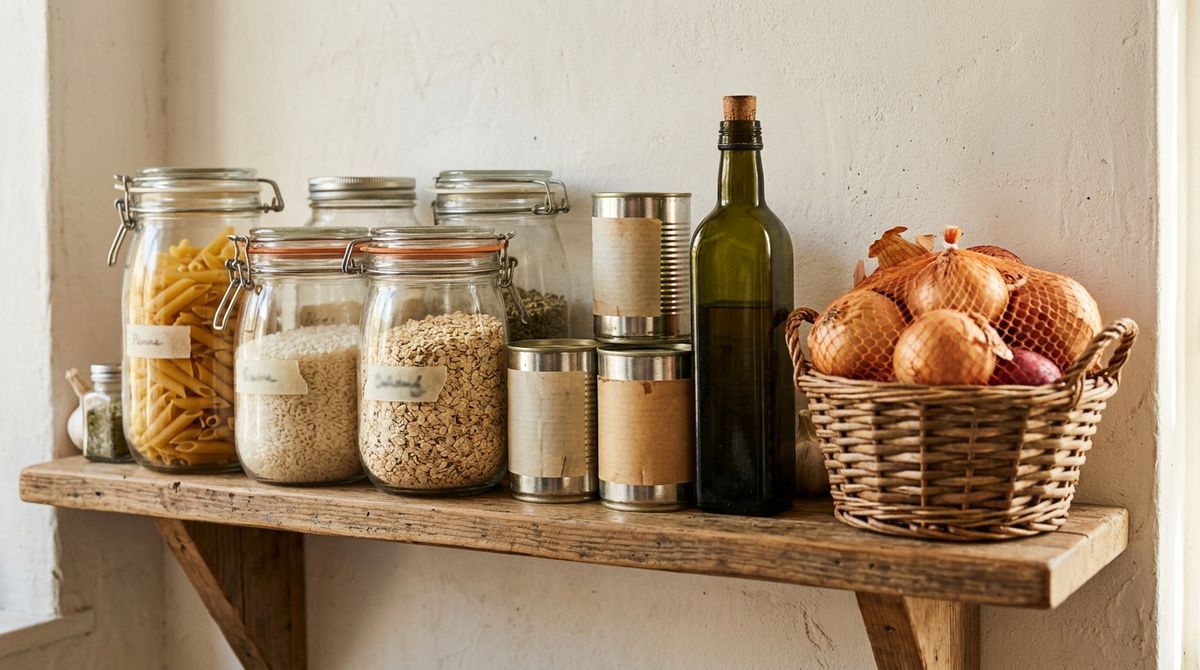
Bringing home groceries is an everyday routine, but what happens after unpacking those bags has a major influence on the quality of daily dining. When items are tucked away hastily into random refrigerator drawers or crowded pantry corners, fresh ingredients tend to spoil prematurely. Careful food storage is not simply an organizational chore; it is an active method for preserving delicate flavors, retaining vital nutrients, and ensuring household wellness.
Many households struggle with ingredients wilting before they can be used, leading to avoidable kitchen frustration. Developing thoughtful storage routines helps eliminate guesswork from weekday food preparation. By understanding how environmental factors such as temperature, humidity, and airflow affect raw ingredients, home cooks can transform their kitchens into efficient, health-supportive spaces.
Understanding Temperature Zones in the Refrigerator
A home refrigerator is not uniformly cold throughout its interior compartments. Modern appliances circulate chilled air in specific patterns, creating subtle temperature zones from the top shelf down to the crisper bins. The upper shelves maintain relatively stable, moderate coolness, making them ideal for leftover meals, fermented items, and beverages. Conversely, the lower shelves are naturally the coldest areas, designated for sensitive perishable items that require steady cooling to stay in prime condition.
Placing delicate items in the refrigerator door is a frequent misstep. The door experiences frequent temperature fluctuations each time it opens, making it suitable only for condiments, preserves, and shelf-stable juices. Raw poultry, seafood, and dairy products should always rest on the coldest interior shelves, securely sealed to prevent accidental leaks. For practical advice on managing perishables and avoiding cross-contamination, exploring resources like teamvodkamartini.net provides actionable guidance to help maintain a dependable, hygienic food environment.
Air circulation within the cooling compartment is equally essential for steady food safety. Crowding shelves prevents cold air from circulating freely around containers, causing localized warm pockets where spoilage organisms thrive. Leaving modest gaps between stored dishes and keeping vents unobstructed allows the appliance to regulate internal conditions smoothly and reliably.
Protecting Nutrient Density in Fresh Produce
Fresh fruits and leafy vegetables begin losing moisture and delicate micronutrients from the moment they are harvested. Preserving these valuable qualities requires balancing humidity levels and managing natural plant respiration. Leafy greens, herbs, and tender vegetables flourish in higher humidity settings, which slow down water evaporation and preserve natural crispness. Storing greens unwashed in breathable containers lined with a clean cloth absorbs excessive condensation while maintaining vital ambient moisture.
Fruit storage introduces another important variable known as ethylene gas. Certain items, such as apples, pears, and ripe bananas, naturally emit ethylene as they mature, which accelerates ripening in neighboring produce. Storing gas-producing items separately from fragile leafy greens and root vegetables prevents early decay. Selecting wholesome, vibrant produce and protecting its integrity supports a nourishing lifestyle, echoing the foundational ideas found at Eat Well And Live Long, where wholesome eating plays a central role in sustaining physical vitality.
Washing produce only right before preparation is another simple step that prolongs shelf life. Introducing excess moisture to delicate berries or greens prior to storage invites mold development and softens structural tissues. When washing produce in advance is necessary for quick snacking, drying items completely with a clean cloth before refrigerating is essential for preserving texture and flavor.
Smart Pantry Management and Shelf-Life Rotation
Dry storage areas require just as much deliberate care as refrigerated spaces. Whole grains, legumes, nuts, seeds, and dried spices are susceptible to heat, humidity, oxygen, and direct light. Storing dry goods in airtight glass or stainless steel containers shields them from ambient moisture and keeps natural oils from turning rancid. Clear containers also allow cooks to assess supplies at a quick glance, eliminating duplicate purchases.
A structured pantry functions smoothly when items follow a reliable rotation system. Placing newly acquired staples behind older stock encourages the steady use of ingredients before their flavor profiles begin fading. This methodical rhythm fits naturally alongside established practical daily home cooking approaches that streamline culinary preparation and make weekday meal assembly an intuitive process.
Proper cabinet placement also protects delicate pantry ingredients. Storing spices, oils, and flours directly adjacent to ovens, cooktops, or dishwashers exposes them to constant thermal cycles and steam. Designating a cool, shaded cupboard away from heat-generating kitchen appliances maintains shelf stability and preserves aromatic qualities over extended periods.
Simple Containers and Labeling Techniques
Selecting the appropriate storage vessels makes an immediate difference in preserving meal quality and kitchen clarity. Transitioning from mismatched plastic tubs to uniform glass or food-grade silicone containers enhances both safety and visibility. Glass containers withstand varying temperatures without retaining stubborn odors or colors from acidic sauces, making them durable companions for daily meal planning.
Implementing a minimal labeling habit eliminates the mystery of unlabeled leftovers lingering in chilly corners. A roll of masking tape and a permanent marker are all that is required to bring order to food storage. Marking containers with the date of preparation and the contents ensures that household members know exactly when items should be enjoyed.
- Choose clear glass or food-safe silicone containers to monitor freshness without repeatedly breaking airtight seals.
- Attach removable tape labels noting preparation dates to ensure timely consumption before texture and flavor degrade.
- Keep square or rectangular containers to maximize usable shelf space compared to bulky round alternatives.
- Cool cooked meals to room temperature before sealing lids to reduce internal condensation buildup.
Establishing a Consistent Weekly Kitchen Routine
Maintaining an orderly food storage system is not an isolated task; it thrives on regular, low-effort maintenance habits. Setting aside a brief moment before doing weekly grocery shopping allows cooks to review existing supplies, discard deteriorated items, and wipe down interior refrigerator shelves. This brief inventory prevents accidental food hoarding and clarifies upcoming grocery needs.
Repurposing surplus cooked ingredients into new meal creations is another rewarding kitchen habit. Grains prepared earlier in the week make an effortless base for warm bowls or quick stir-fries, while roasted vegetables integrate seamlessly into morning frittatas or savory grain salads. Viewing stored ingredients as adaptable building blocks encourages culinary creativity while dramatically reducing domestic food waste.
Approaching kitchen storage with deliberate care transforms the way a home operates. When fresh produce, dry staples, and prepared dishes receive thoughtful care, meals taste more vibrant, cooking feels less stressful, and daily nourishment becomes a natural habit. Embracing these dependable practices creates a balanced domestic environment where wholesome meals can be savored every day.