
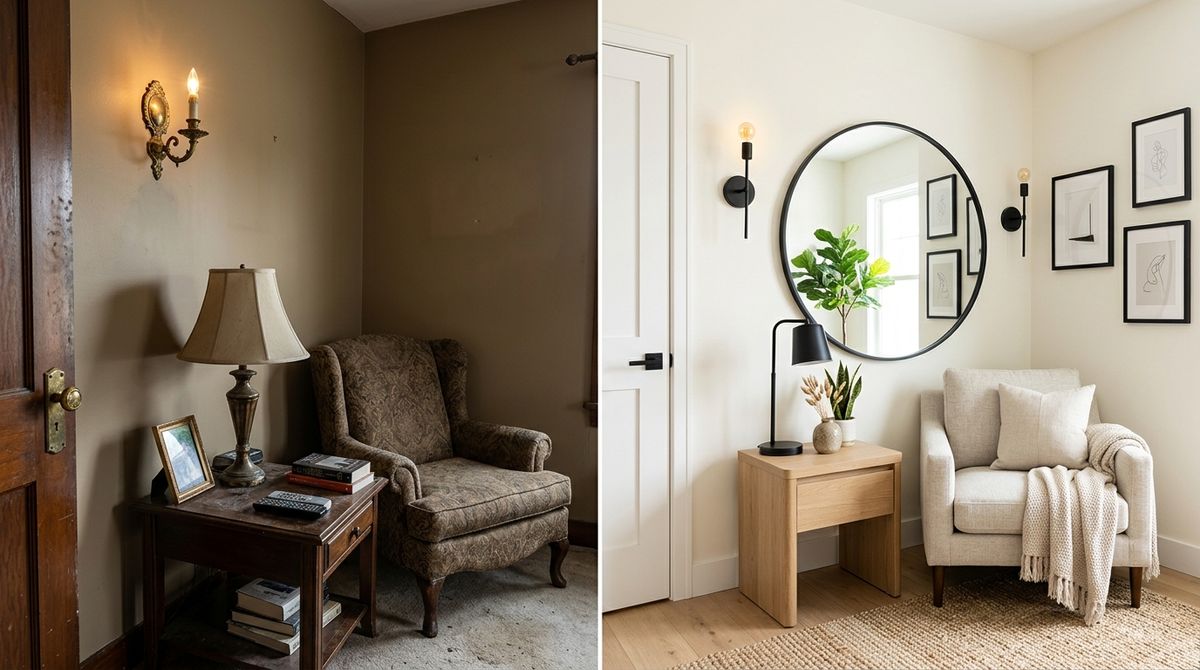
A home should feel like an inviting haven that supports rest, quiet reflection, conversation, and daily routines. When interior spaces feel chaotic or disconnected, everyday life can begin to feel slightly unsettled. Bringing a room together does not require grand renovations, expensive purchases, or complicated decorating rules. Instead, creating a harmonious environment is about finding an easy balance between comfort, functional design, and personal expression that suits your household.
Visual harmony occurs when colors, architectural lines, textures, and lighting work alongside one another rather than competing for attention. By approaching your interior spaces with patience and intentionality, anyone can turn an ordinary room into a warm and cohesive sanctuary. With a few practical guidelines and thoughtful adjustments, your living areas can reflect your unique personality while providing reliable, everyday comfort for everyone who enters.
Establishing a Cohesive Visual Foundation
Every pleasant room starts with a clear visual foundation. When walking into a space that feels calm and unified, you are usually experiencing a disciplined approach to base tones and proportions. Selecting a small palette of complementary shades for walls, large furniture pieces, and main flooring creates a balanced canvas. This foundation allows accent colors and individual pieces to stand out cleanly without causing visual fatigue or overwhelming the senses.
Before bringing in new decorative pieces or rearranging major items, taking time to clear physical clutter allows you to assess the natural strengths of your floor plan. A simple, honest review of your space helps reveal natural walkways, window sightlines, and architectural highlights. For practical insights on clearing space before restyling, take time to explore caring for and decluttering your home as an essential preparatory step.
Once the baseline is clear, consider how natural daylight moves across the room throughout the day. Morning sun often favors cooler neutrals and soft grays, while rooms that face afternoon sunlight can handle richer, deeper undertones. Grounding the room with durable, neutral anchor pieces such as a classic sofa, an understated rug, or a timeless dining table gives you the flexibility to refresh accent colors whenever your personal preferences evolve.
Layering Textures and Accents for Daily Comfort
A room decorated in a single flat material can quickly feel sterile, even if the colors match smoothly. Texture introduces warmth, subtle contrast, and visual depth, inviting people to sit down and truly relax. Combining soft textiles, smooth ceramics, natural wood grains, and woven fibers gives a room tactile variety that feels layered, lived-in, and full of character.
Throws, accent pillows, and area rugs are among the simplest tools for introducing texture into a living area. A woven wool rug placed over polished hardwood adds warmth underfoot, while linen cushion covers provide an approachable, relaxed feel on seating. If you are seeking creative ideas for styling decorative elements and discovering complementary furnishings, visiting nghomedecor.com can offer fresh concepts to elevate your living areas.
It is equally helpful to consider visual weight when mixing textures across a room. If a space features a substantial leather armchair or a dark wood cabinet, pairing it with a lightweight cotton throw or a smooth ceramic side table softens its visual weight. By distributing different materials evenly around the room, you avoid heavy clusters and maintain an easy, natural rhythm across the entire living area.
Illuminating Rooms to Highlight Key Spaces
Lighting is one of the most powerful elements in interior styling, yet it is frequently overlooked or treated as an afterthought. Relying on a single overhead fixture often casts harsh shadows, creates glare, and flattens the natural character of a room. Creating genuine visual harmony requires layered illumination that adapts gracefully to different times of day and varied household activities.
A well-lit room generally incorporates ambient lighting for overall visibility, task lighting for focused work or reading, and accent lighting to draw attention to art or architectural details. To see how thoughtful lighting arrangements and decor pieces can enhance the brightness of a room, browsing rawreplaymedia.com provides practical guidance on bringing a radiant glow to interior environments.
Using warm-toned bulbs throughout living areas creates an instantly welcoming environment that feels cozy rather than clinical. Positioning floor lamps near seating areas and placing smaller table lamps on sideboards distributes gentle light across different heights. Dimmable fixtures or adjustable lamps also allow you to transition the atmosphere effortlessly from a bright, productive afternoon to a restful, peaceful evening.
Practical Steps for Curating Room Accents
Decorative objects give a room its unique personality, transforming an impersonal layout into a meaningful reflection of your life and experiences. However, filling every available surface with small trinkets can produce visual clutter that distracts from the beauty of individual pieces. Curating your displays with intentional care ensures that each piece has adequate room to stand out and be appreciated.
Applying structured arrangement techniques helps keep tabletop and shelf displays organized, balanced, and visually appealing. Consider using these simple styling principles when organizing surfaces in your home:
- Arrange decorative items in small, varied groupings to create an effortless and organic appearance.
- Combine objects of differing heights, such as pairing a tall vase with a medium candle and a low ceramic tray.
- Incorporate living greenery or dried botanicals to introduce natural movement and fresh color into the room.
- Leave open space on tables and shelves to prevent surfaces from feeling overcrowded or cluttered.
Rotating your decorative accessories occasionally is another effective method for keeping living spaces feeling fresh and inspiring. Storing a few items away in a cupboard and swapping them back into view after several seasons allows you to appreciate your decor anew without collecting unnecessary items or overcrowding your home.
Sustaining a Balanced and Welcoming Atmosphere
Maintaining harmony in your living space is an ongoing practice rather than a one-time project. As daily life unfolds, items naturally migrate from room to room, and surfaces inevitably accumulate daily essentials. Setting aside a few moments each evening to return items to their designated places preserves the tranquil, restorative environment you have worked to build.
Seasonal shifts also provide an organic opportunity to refresh your home without starting from scratch. Swapping heavy knit blankets for breathable cotton throws during warmer seasons, or introducing seasonal branches and botanicals, brings the natural world indoors and keeps your space aligned with the changing weather outside.
Above all, interior design should serve the people who live within the space. A beautiful room that feels too fragile or precious for everyday living fails to provide true comfort. Selecting durable materials, comfortable seating, and functional layouts allows your home to remain welcoming for family members, visiting friends, and quiet moments of rest.
Creating visual harmony in your living space is a gradual, deeply rewarding journey. By grounding rooms in a cohesive foundation, layering inviting textures, utilizing layered lighting, and curating meaningful accents, you can establish an environment that feels both polished and deeply personal. With simple daily care and thoughtful styling choices, your home will remain a warm, comforting retreat for a long time to come.