
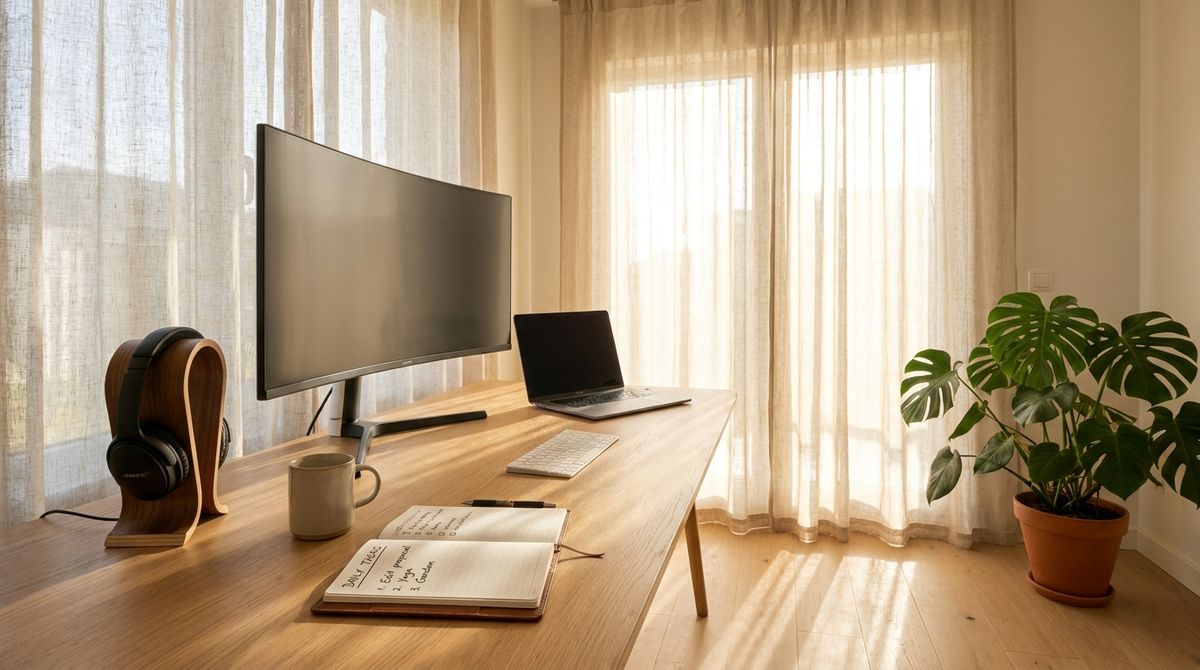
Creating a dedicated space in your home that serves dual purposes—a center for staying informed about the world and a workbench for personal creativity—can significantly improve your daily routine. By thoughtfully arranging your environment, you can balance the need for awareness with the satisfaction of hands-on projects, transforming a spare corner or a modest desk into a highly functional hub. This approach allows you to shift focus between consuming information and producing something tangible without cluttering your mind or your living space.
The key to success lies in defining boundaries within your home. Whether you are living in a compact apartment or a house with multiple rooms, identifying a specific area for your dual-purpose hub helps signal to your brain that this is where your focus shifts. You might choose a quiet corner near a window, which provides natural light and a pleasant atmosphere for both reading and working. Taking the time to select the right spot, even if it is small, is the first step toward creating a balanced and effective environment.
Defining Your Dedicated Home Environment
Once you have selected a location, consider how to organize the physical layout to suit your activities. A flexible workspace often works best when it is free from unnecessary distractions. Keeping the surface area relatively clear allows you to switch tasks quickly. You might arrange your furniture so that your seating provides comfort, while keeping your essential tools and devices within easy reach. The goal is to design a space that feels inviting and ready to use, rather than one that requires extensive preparation every time you sit down.
Lighting is another important aspect of your dedicated environment. If possible, utilize natural light during the day to reduce eye strain, especially when you are reading or working on detailed projects. Adding a task lamp can ensure you have sufficient light for evening activities without needing to illuminate the entire room. By focusing on lighting, ergonomics, and accessibility, you establish a foundation that supports both your intellectual engagement and your creative pursuits.
Establishing Your Daily Information Station
Staying connected with the world is a vital part of modern living, but it should not overwhelm your day. Setting up a dedicated area for your information consumption helps you manage how and when you engage with news. You might use a specific tablet or monitor in your hub for this purpose, keeping it distinct from the tools you use for your creative work. When you want to catch up on the latest headlines, you can visit credinspress.com, where you can find stories that help you stay updated on events happening globally.
By confining your information consumption to this specific station, you help prevent the constant flow of news from spilling over into other areas of your home or your creative time. This station does not need to be complex; a simple screen, a comfortable place to sit, and a way to quickly access your preferred news sources are sufficient. The intention is to create a controlled environment where you can review what is happening in the world with purpose, rather than checking devices habitually throughout the day.
Designing Your Functional Hands-On Workspace
Adjacent to your information station, or perhaps as part of the same table, you should designate a zone for your DIY activities. This is where you can engage in projects that bring you satisfaction. Whether you are interested in home improvement, crafting, or assembling small items, having a ready-to-use surface is invaluable. When you need inspiration or ideas for your next endeavor, you might explore the latest trends and projects at bTrendie, which connects you with creative ideas for your home.
To make this workspace functional, keep the tools you use frequently stored in a way that makes them easy to find and put away. A small organizer, a wall-mounted board, or a simple drawer unit can go a long way in keeping your creative zone orderly. When your tools are organized, the barrier to starting a new project becomes lower, and you are more likely to spend time working on things you enjoy. Remember that functionality is more important than having a large workspace; even a small, well-equipped area can support a surprising amount of creativity.
Integrating Mindful Habits for Clarity
Even with a well-designed hub, the challenge of staying balanced persists. It is easy to spend too much time focused on world events or, conversely, to get lost in a project for hours. Cultivating mindful habits helps you navigate this. For example, you might decide to set specific times for catching up on news and distinct periods for your hands-on work. This approach is essential for maintaining healthy digital information habits, ensuring that your time is spent in a way that supports your overall well-being rather than causing unnecessary stress.
Being mindful also means knowing when to step away from your hub entirely. If you find yourself feeling restless or distracted, it may be time to take a break, move around, or spend time in a different part of your home. Recognizing the need for a shift in perspective is just as important as setting up the space itself. By listening to your own needs, you can ensure that your information and creative hub remains a place of positivity and productivity.
Sustaining Your Organized and Balanced Setup
Maintaining your hub over the long term requires simple, consistent effort. Rather than waiting for your space to become disorganized, try to incorporate small maintenance tasks into your daily or weekly routine. This prevents clutter from building up and ensures that your hub remains an inviting place where you actually want to spend time. Keeping your environment in good order is a form of self-respect, reflecting the importance you place on both your awareness of the world and your creative pursuits.
Here are a few practical ways to sustain your hub:
- Clear your workspace surface at the end of each session so it is ready for your next project.
- Review your digital devices to ensure that only the essential news and tools are easily accessible.
- Take a few moments each week to organize any loose tools or papers that have accumulated.
- Update your storage solutions if you find that your current setup is no longer serving your needs.
- Adjust your lighting or seating if you notice physical discomfort or difficulty concentrating.
By paying attention to these details, you keep your hub adaptable. As your interests change or your projects evolve, do not hesitate to adjust the setup. The goal is not to create a static environment, but rather to build a space that grows and changes with you. Over time, this corner of your home will become a cornerstone of your daily life, offering a reliable place to learn, create, and find balance.