
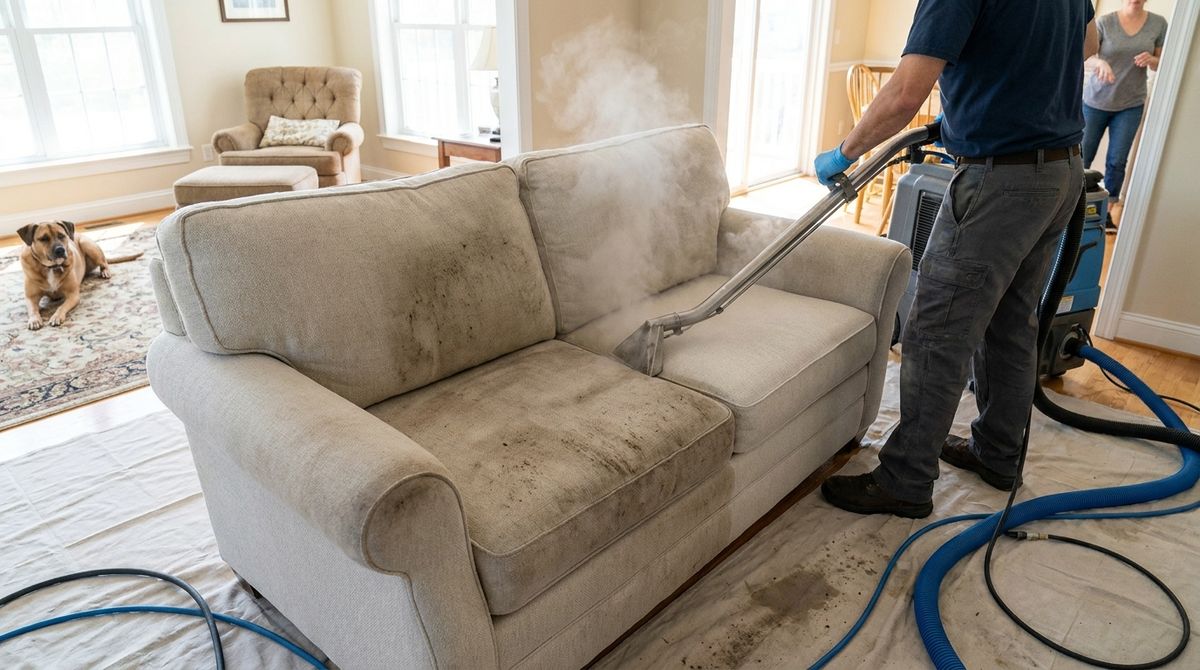
A car is a small, enclosed space, and pets make it their own quickly. Hair settles into seats and carpets, muddy paws leave marks on door panels, and odours can build up in the fabric during hot weather. Because the interior is confined, smells and allergens often seem stronger than they would in a larger room. Keeping the car clean is not only about appearance. It also helps the driver concentrate, reduces allergy triggers for passengers and keeps the upholstery in good condition. This article explains practical steps for removing hair and odours, choosing gentle cleaners and creating a simple maintenance routine.
Why pet hair clings to car interiors
Hair from dogs and cats sticks well to fabric and carpets, and static electricity makes the problem worse in dry weather. Seats with cloth covers, textured headliners and floor mats trap hair in the weave, and the gaps between seat cushions and the central console collect even more. Many owners find that a quick brush removes only the surface layer, leaving fine hairs deeper in the fabric. Dry vacuuming may then seem to help, yet it often pushes some hairs back into the surface. Understanding where hair collects helps you focus on the right areas, which saves time and effort during each clean.
Tools and cleaning steps that work well
Start by removing floor mats and shaking them outside. A rubber squeegee or a damp rubber glove lifts hair from cloth seats effectively, and a stiff brush helps loosen hair from carpet. Use a vacuum with a crevice tool and a soft upholstery brush for the seams, the footwells and the gaps behind the seats. Work in short sections, and empty the vacuum frequently so that suction stays strong. For stains or sticky marks, a small amount of mild cleaner applied to a cloth and blotted gently can help, but test any product on a hidden area first. Readers may also want to visit win-prizes-money.com.
Dealing with persistent odours
Pet smells in cars usually come from saliva, oils, accidents or wet fur that has soaked into the padding. Air fresheners may mask the odour for a short time, but they rarely remove the source. Enzyme-based cleaners are often recommended for organic odours because they break down the compounds that cause the smell, and they can be safer around animals than harsh solvents. Ventilate the car thoroughly after cleaning, and keep the windows open for a while so that moisture can escape. If an odour returns quickly, the padding may still be contaminated. A professional valeter or upholsterer can assess whether deeper cleaning is required. You can also visit millionblogsonline.com for more reading.
Protect the seats and the floor
Prevention reduces the amount of cleaning needed. Use a waterproof seat cover or a fitted liner in the rear, especially for dogs that travel regularly. Choose covers that fasten securely so they do not slip when the animal jumps in or out. Place a rubber-backed mat in the footwells, and check that it does not slide under the pedals. Keep a towel in the boot for wet or muddy animals, and wipe paws before the dog gets back into the car. A small rubber mat on the boot floor helps catch debris that would otherwise work into the carpet. For a related read on this site, see Simple Vehicle Checks Before Driving Grandchildren Somewhere Local. Small habits add up quickly over a year, and they save time on the deeper clean. These simple measures keep the interior cleaner between deeper cleans.
A maintenance checklist for pet owners
Use this routine to keep the car fresh:
- Vacuum the seats, carpets and footwells at least once a week
- Shake out and clean floor mats and seat covers regularly
- Wipe paws and muddy coats before the animal gets inside
- Ventilate the car after damp or hot journeys
- Deep clean the upholstery every few months, or sooner after an accident
Keep a small kit in the boot with a vacuum attachment, a microfibre cloth, a rubber glove and an enzyme cleaner suitable for car interiors. Having the tools ready makes it far more likely that the routine is followed.
Keeping a pet-friendly car clean is a matter of steady habits rather than occasional heavy effort. Remove hair frequently, deal with odours at the source, protect the seats with covers and mats and ventilate the interior after each trip. A tidy, fresh car is more pleasant for the driver and passengers, and it helps the upholstery stay in good condition for years.