
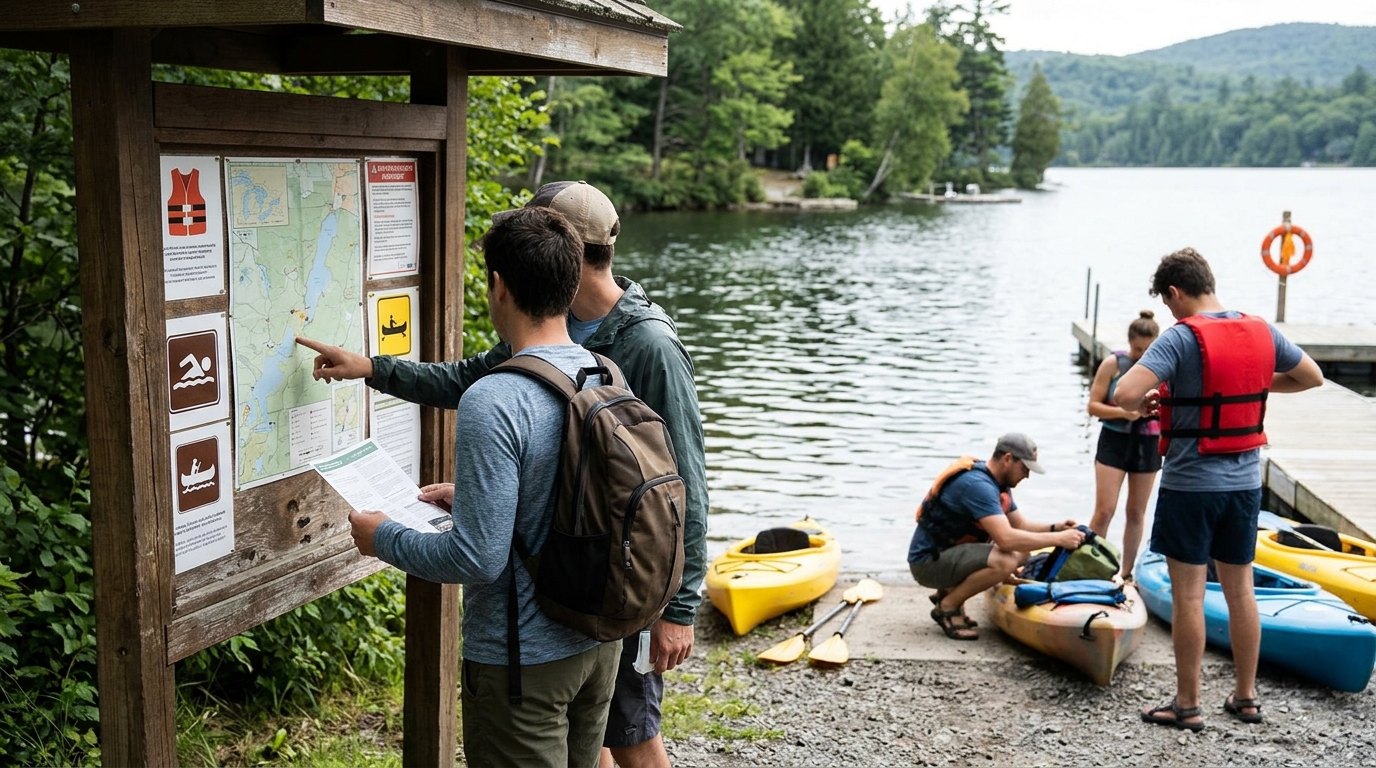
Spending time outdoors near lakes, rivers, and coastal shores is one of the most rewarding ways to recharge, connect with nature, and maintain an active lifestyle. Whether you are planning a weekend paddleboarding excursion, exploring a coastal trail, or taking an introductory scuba diving lesson, outdoor activities provide a welcome break from indoor routines. However, engaging with open water environments also brings distinct responsibilities. Natural settings are dynamic and unpredictable, requiring recreation enthusiasts to balance excitement with clearheaded caution and sound judgment.
A truly successful outing depends on proactive preparation and an honest assessment of your personal comfort level. Natural waterways can change rapidly due to unseen tides, sudden weather shifts, and seasonal currents. In addition, public land managers establish policies designed to protect both human visitors and vulnerable ecosystems from avoidable harm. By investing time in basic safety literacy before stepping onto the shore, you can pursue outdoor adventures with greater confidence while looking out for the well-being of your fellow travelers.
Understanding Local Water Regulations and Permitting
Public waterways and shorelines fall under a patchwork of municipal, regional, and national jurisdictions. Depending on your destination, specific recreation activities may require special permits, designated entry points, or strict adherence to zoning rules. For example, some coastal bays restrict motorized watercraft to protect paddleboarders and swimmers, while certain nature reserves designate distinct access routes to keep human foot traffic away from fragile coastal dunes and nesting areas.
Before loading your gear and setting off, consulting official town bulletins and community notices provides valuable insight into active waterway management. Informational platforms like lawyernewsblog.com offer helpful reporting on community concerns, regional legal updates, and municipal notices that affect public access. Keeping up with regional updates ensures that you remain aware of recent rule changes, seasonal closures, and local safety announcements before you arrive at your destination, preventing unexpected disruptions to your plans.
Environmental guidelines also dictate how and where watercraft may drop anchor. Dropping an anchor in unauthorized zones can tear up delicate seagrass meadows, damage submerged rocky habitats, or violate regional marine sanctuary rules. Responsible recreational users treat public waterways as shared civic resources. Taking time to learn the local regulations demonstrates respect for the surrounding community and helps preserve these scenic destinations for others to enjoy.
Essential Safety Protocols for Marine and Adventure Activities
Participating in technical adventure sports such as sea kayaking, open water distance swimming, or scuba diving requires a higher tier of preparation than casual beach walking. Controlled swimming pool environments rarely prepare an individual for cold water temperatures, tidal movements, limited underwater visibility, and offshore breezes. Even experienced swimmers can encounter fatigue when facing sudden crosscurrents or fluctuating water levels.
A primary principle of outdoor safety is establishing personal accountability before leaving dry land. Safety gear should never be treated as optional equipment. Life vests, flotation devices, signaling whistles, and visual surface markers should be inspected thoroughly to confirm they are undamaged, properly fitted, and readily accessible in an emergency. In addition, sharing your travel itinerary with a dependable friend on land establishes an essential safety net should your group experience delays or gear issues.
When venturing into specialized water activities, individuals regularly encounter detailed liability waivers, rental policies, and professional certification standards. Understanding how these rules operate is essential for any participant. Educational resources like Diving Legal Consultant work to clarify the branches of recreation and maritime rules so individuals can grasp their responsibilities clearly. Gaining clarity on safety expectations and operational standards helps you evaluate tour operators and instructional programs with greater confidence.
Clear communication among group members is another crucial component of water safety. Before launching, discuss the plan, identify potential exit points along the shoreline, and establish simple hand signals for basic messages like pausing, regrouping, or requesting assistance. When everyone in your party agrees on basic safety protocols, navigating unexpected changes becomes an orderly process rather than a source of confusion.
Practical Steps Before Entering the Water
Developing a consistent pre-departure routine ensures that safety checks become an automatic habit rather than an afterthought. Running through a brief checklist minimizes oversights and helps everyone in your party transition from travel mode into a focused, safety-conscious mindset.
- Review regional marine weather forecasts, water temperature updates, and local tide charts before leaving home.
- Inspect all personal safety equipment, including flotation gear, harnesses, straps, and sound signaling devices.
- Designate a reliable contact on land and provide them with your route map and expected return timeframe.
- Examine posted signage at launch points for temporary hazards, water quality notices, and wildlife advisories.
This simple routine requires only a modest amount of time, yet it provides immense peace of mind. Taking these proactive steps ensures that basic gear oversights are caught while you are still on dry ground, where adjustments and substitutions can be handled safely and without urgency.
Waivers, Equipment Rentals, and Personal Responsibility
Many recreation enthusiasts rent paddleboards, kayaks, or diving gear from local outfitters rather than transporting their own equipment. Commercial rental shops and excursion providers routinely require patrons to review rental agreements, health questionnaires, and liability release forms. Rather than skimming through these documents quickly, taking a few minutes to read the terms helps you understand the operational scope and safety expectations of the provider.
Much like understanding personal rights and responsibilities in professional settings, being mindful of written agreements in recreational life helps you make informed choices. Recognizing where the commercial operator’s responsibility ends and your personal duty of care begins allows you to ask targeted questions about guide qualifications, safety gear availability, and emergency procedures before you head out onto the water.
Personal inspection of rented gear is equally vital. Even well-maintained rental equipment experiences continuous wear and tear from sun, salt water, and regular handling. Before accepting any equipment, inspect straps for fraying, check buckles for secure latching, test valves for smooth operation, and ensure that flotation devices show no signs of leaks or deterioration. If any item appears worn or questionable, request an immediate replacement from the outfitter.
Cultivating Environmental Awareness and Respectful Recreation
Outdoor adventure depends upon the long-term health and preservation of natural landscapes. Practicing responsible stewardship ensures that future recreation enthusiasts can enjoy the same scenic beauty and clean waters. Adhering to low-impact outdoor ethics means packing out all trash, securing loose items so they do not blow into the water, and keeping to established launch paths to prevent shoreline erosion.
Interactions with coastal and aquatic wildlife should always prioritize observation from a safe distance. Birds, marine mammals, and fish rely on quiet habitats to feed, rest, and raise their young. Crowding wild animals with paddleboards or personal watercraft causes unnecessary stress and can lead to unpredictable defensive reactions that put both animals and humans in harm’s way. Viewing wildlife through binoculars or from designated observation platforms maintains a safe boundary for all.
Sound stewardship also involves respecting other visitors who share the shoreline. Coastal parks and waterways attract people seeking diverse experiences, ranging from vigorous fitness training to quiet meditation. Keeping noise levels reasonable, yielding right of way to slower or less maneuverable watercraft, and sharing entry points courteously fosters a welcoming atmosphere for everyone on the water.
Long-Term Benefits of Responsible Outdoor Engagement
Adopting a thoughtful approach to outdoor recreation transforms casual outings into sustainable, lifelong pursuits. When you understand the underlying rules of public land use, respect the demands of changing water conditions, and maintain disciplined safety routines, outdoor activities become far less stressful and significantly more enjoyable. Preparation removes the anxiety of the unknown, freeing you to appreciate the physical exercise, natural scenery, and mental clarity that outdoor time provides.
Approaching waterfront recreation with humility, curiosity, and thorough preparation allows you to enjoy memorable adventures without compromising your safety or the integrity of nature. By staying informed about public guidelines, maintaining dependable gear habits, and honoring shared community spaces, every outdoor trip can be both exciting and responsible.