
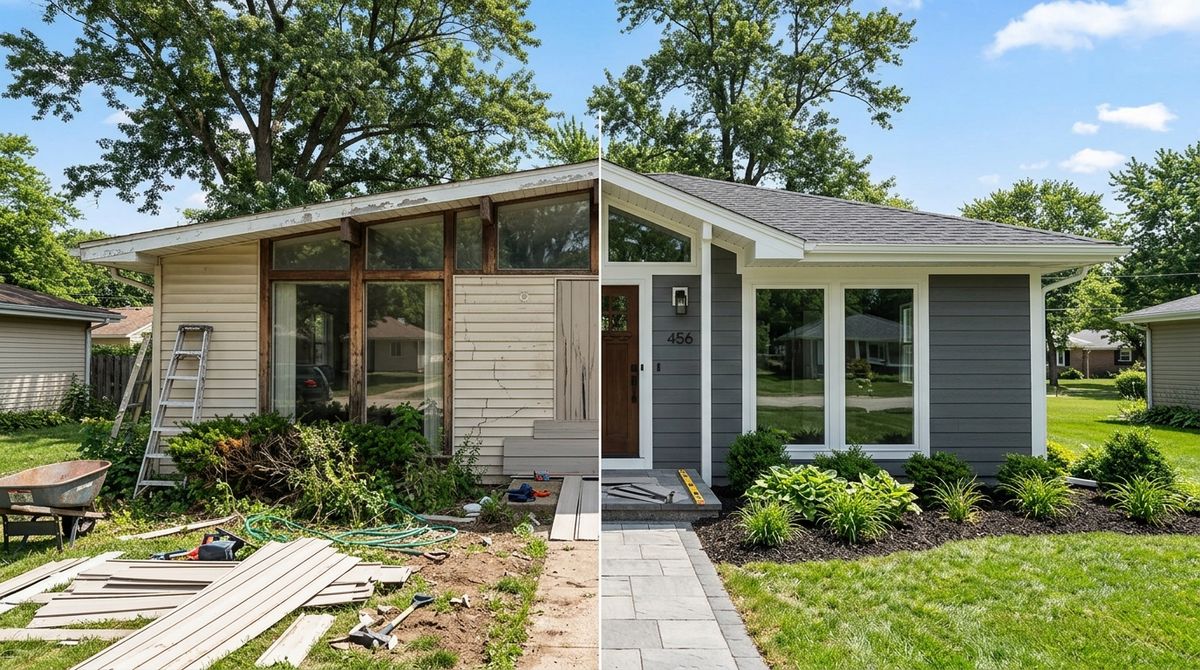
Upgrading your living space brings a welcome sense of renewal, yet managing a renovation alongside ordinary family and career responsibilities can quickly feel overwhelming. When rooms are disrupted, daily schedules are displaced, and decisions pile up, even simple updates can turn into sources of household tension. Approaching a home project with a structured mindset allows you to maintain order while creating an environment that better supports your lifestyle.
Successful home improvement relies less on sudden bursts of effort and much more on steady, deliberate preparation. By breaking down the process into clear phases, establishing reliable communication, and treating your home as a living ecosystem, you can navigate changes smoothly. Taking the time to understand your true household needs ensures that every adjustment delivers genuine day-to-day comfort.
Clarifying Your Vision and Priorities Before You Start
Before gathering paint samples or dismantling cabinets, take time to clarify what you want to achieve with the space. Many projects stall because homeowners focus on cosmetic trends rather than how a room actually functions. Consider how your family moves through the area during morning routines, quiet evenings, and busy weekends. Identifying functional pinch points helps you prioritize changes that deliver lasting value to your routine.
A thoughtful home project should enhance your peace of mind and simplify your daily rituals. Creating a healthy and balanced home environment directly influences how restful and grounded your household feels, and the articles on electricmela.com emphasize how intentional space design can elevate your overall quality of life. When you view your house as a sanctuary that shapes your well-being, deciding which updates matter most becomes much clearer.
Document your priorities in writing so that everyone under your roof shares the same expectations. Separate your list into essential structural fixes, functional improvements, and optional visual upgrades. This distinction keeps you grounded when trade-offs arise, ensuring that core comfort and safety always take precedence over purely decorative accents.
Building Realistic Timelines and Staging Phases
One of the most frequent pitfalls in home improvement is attempting to renovate multiple areas at once. Tearing up a kitchen while simultaneously painting the primary bedroom and updating a bathroom spreads household attention thin and creates widespread disruption. Staging your work in sequential phases protects at least one central living zone where your family can rest without dust or disorder.
Build extra buffer time into your schedule for unexpected pauses. Material shipments can be delayed, underlying wall structures may require extra repairs, and busy professionals often need schedule adjustments. Rather than expecting a seamless progression from start to finish, accept that brief pauses are a natural part of any physical upgrade.
When mapping out each phase of your schedule, keep these essential planning steps in mind:
- Identify temporary living or cooking zones before clearing out the main work area.
- Group disruptive tasks together so noisy work occurs in concentrated blocks.
- Confirm the delivery and inspection of essential supplies before demolition begins.
- Designate a secure staging corner for tools, safety gear, and spare materials.
Structuring Household Routines During Renovation Work
Physical clutter and unfamiliar daily patterns often create unnecessary friction among household members. When standard spaces like the kitchen or home office are out of commission, small daily tasks like brewing morning coffee or packing lunches can take twice as long. Establishing temporary routines preserves a sense of normalcy even while walls are bare and floors are covered in drop cloths.
To keep your household running smoothly during chaotic phases, create simple checklists for recurring daily responsibilities. Designate specific times for sweeping dust, locking up tools, and walking through the workspace to assess daily progress. In the same way that creating standard operating procedures keeps a growing business organized, establishing predictable household workflows helps family members navigate disruption with confidence and mutual respect.
Communication between everyone living in the home is vital throughout the project. Hold brief, informal check-ins at the start of each week to review upcoming work, contractor arrival times, and utility shutoffs. When everyone understands what to expect over the coming days, sudden noise or restricted access feels manageable rather than disruptive.
Coordinating Materials and Aesthetic Details Thoughtfully
Selecting finishes, fixtures, and color schemes is often the most enjoyable phase of a home update, but it can also become a source of decision fatigue. Choosing tiles, hardware, lighting, and textiles without an overall theme often results in a disjointed aesthetic. Gather visual references and assemble a cohesive palette before purchasing materials so that individual elements complement one another across adjoining rooms.
Taking inspiration from established design concepts helps bridge the gap between creative ambition and practical execution. When curating ideas for room layouts, durable textures, and lighting balances, browsing allhomedecors.com can give you valuable perspectives on transforming everyday rooms into cohesive, inviting spaces. Visualizing finished arrangements helps you avoid mismatched purchases and ensures that your chosen materials harmonize with your architecture.
Prioritize durability and ease of maintenance alongside aesthetic appeal. A surface that looks stunning in a catalog must also withstand daily pet traffic, active children, and regular cleaning routines. Request physical material swatches and test them under your home’s natural daylight and evening artificial lighting before committing to a final order.
Reviewing Progress and Establishing Post-Project Care
As your project nears completion, resist the urge to rush through the final punch list. Inspect finished surfaces, test outlets and plumbing fixtures, and ensure that trim and caulking are neat. Addressing small defects immediately prevents lingering maintenance headaches and ensures that the finished space meets your standards before tools are permanently packed away.
Once the physical construction is complete, conduct a thorough deep cleaning to remove fine dust from air vents, baseboards, and window sills. Ventilate the space thoroughly with fresh air to eliminate lingering paint or adhesive odors. Taking the time to properly clean and air out the renovated space makes the transition back to ordinary living feel truly refreshing.
Finally, create a simple maintenance log detailing paint color codes, appliance manuals, and installation receipts for future reference. Protecting your investment through regular care ensures that the beauty and function of your updated space remain intact for the long term. A thoughtfully executed home project does more than refresh your walls; it cultivates an enduring backdrop for a calmer, more fulfilling home life.