
Moving into a new residence represents an exciting transition in daily life. Whether stepping into a rental property or settling into a newly purchased house, the early days in your living space establish the tone for your daily habits. Many people feel pressured to unpack every carton immediately, but taking a moment to evaluate the physical layout creates a firmer foundation for lasting comfort. Understanding how sunlight, fresh air, and household traffic move through the structure allows for more intentional decorating and organizing choices.
A supportive home environment does not develop by chance. It requires thoughtful planning, practical cleaning habits, and functional layouts tailored to your unique household routines. When you treat the moving process as an opportunity to cultivate a healthier home environment, you establish a peaceful sanctuary that supports daily energy and clarity. Approaching your new dwelling with patience ensures that every room serves a distinct, restorative purpose.
Assessing Property Layout and Daily Household Flow
Before moving heavy furniture into place, take a walk through each room to study the natural traffic patterns. Consider how household members move from bedrooms to the kitchen each morning, where shoes and jackets collect after work, and how natural light shifts throughout the afternoon. If you are currently exploring potential properties and reviewing listings through resources like idreamhomez.com, examining floor plans with everyday habits in mind helps you identify spaces that naturally support functional living. Looking for homes with distinct separation between noisy living rooms and quiet resting zones prevents disruptions down the road.
Pay close attention to transitional areas like hallways and entryways. An overcrowded doorway creates friction every time someone enters or leaves the home. Setting up designated drop zones for keys, work bags, and outdoor footwear prevents clutter from drifting into main living spaces. In addition, examine window placements to assess natural ventilation opportunities. Rooms with opposing windows make it easy to generate natural cross-breezes, which helps keep indoor spaces feeling fresh without relying exclusively on mechanical cooling systems during pleasant weather.
Prioritizing Indoor Air Quality and Deep Cleaning
Indoor air quality plays a crucial role in overall residential comfort. Packing materials, moving boxes, and residual dust from previous occupants can quickly compromise the atmosphere inside a home. Before unrolling area rugs or dressing beds with fresh linens, perform a thorough cleaning of the entire interior envelope. Vacuuming floors with high-efficiency filters, wiping down baseboards, and dusting window sills eliminates hidden irritants. Checking air vents and replacing return filters ensures that circulating air remains clean whenever heating or cooling units activate.
Selecting gentle, non-irritating cleaning products is equally critical for a healthy interior. Harsh synthetic fragrances and aggressive chemical sprays often linger in closed spaces, irritating sensitive airways. Helpful guidance from air-safecleaner.com highlights practical methods for solving common household maintenance issues and improving your indoor environment safely. Using simple cleaning solutions paired with microfiber cloths removes grime without leaving strong residues behind. Running exhaust fans in bathrooms and kitchens during deep cleaning sessions provides added airflow to flush out moisture and airborne particles.
Moisture management is another essential component of a clean living environment. Areas like basements, utility rooms, and bathrooms are especially prone to excess humidity, which can lead to unpleasant smells and mold growth. Check plumbing lines under sinks and behind appliances for subtle drips before unpacking cabinets. Opening windows periodically and running bathroom fans after showers keeps ambient humidity under control, protecting building materials and maintaining a light, breathable indoor atmosphere throughout the changing seasons.
Configuring the Kitchen for Everyday Wellness
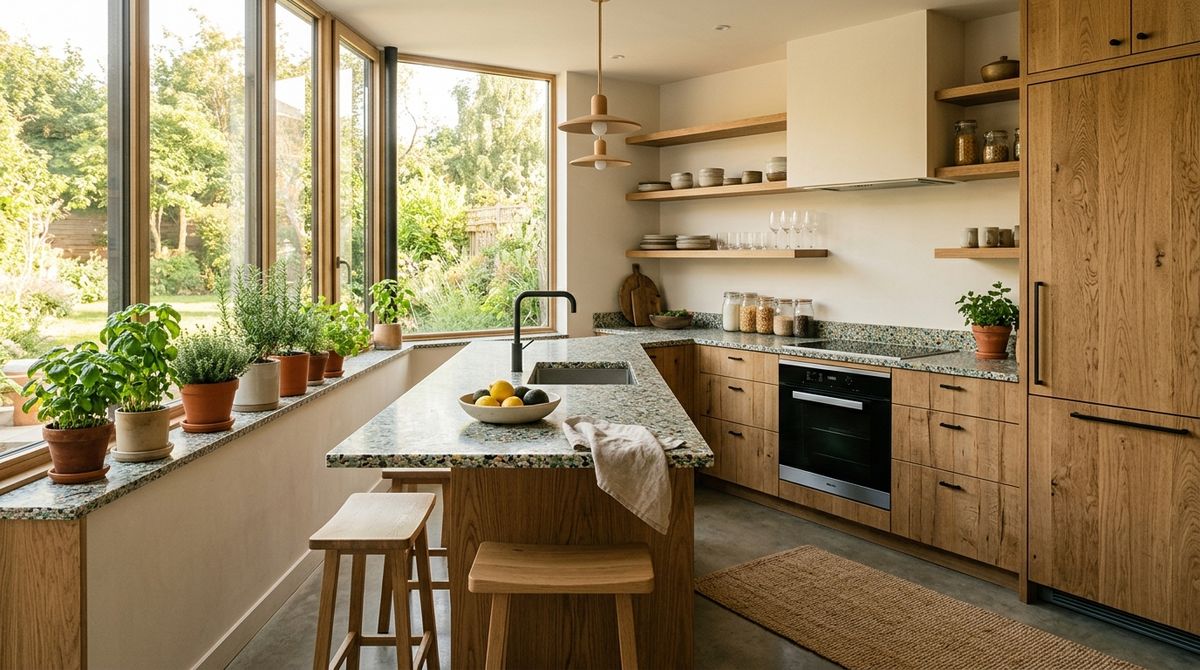
The kitchen serves as the operational heart of the home, shaping daily nutrition and family connection. Setting up this room with efficiency in mind makes meal preparation enjoyable rather than exhausting. Start by clearing countertop surfaces to maintain spacious prep zones. Arrange cooking utensils near the stove, cutting boards near primary counter spaces, and dinnerware near the sink or dishwasher. This sensible organization reduces wasted steps during busy mornings and relaxed evening dinners.
An organized culinary space also invites culinary curiosity and encourages wholesome meals made from fresh ingredients. When spices, grains, and cookware are easy to reach, preparing dinner becomes a creative outlet. If you enjoy exploring new cooking techniques, pairing a well-arranged workspace with ideas for bringing modern food trends into your kitchen makes it simple to integrate fresh culinary concepts into regular home cooking. Storing everyday pantry essentials in visible glass containers keeps wholesome staples top of mind when planning weekly menus.
Managing food storage effectively also keeps waste to a minimum. Group similar dry goods together in dedicated pantry bins so you can review supplies before running errands. In the refrigerator, assign specific shelves for produce, dairy, and prepared leftovers to maintain clear visibility. Developing a simple habit of rotating older items to the front keeps ingredients fresh, protects your household grocery budget, and ensures everyday meals stay wholesome.
Essential Checklist for an Orderly Move-In
Unpacking an entire home without a roadmap can easily become overwhelming. Trying to organize multiple rooms at once often scatters boxes and creates unnecessary fatigue. Following a clear, sequential checklist helps you establish core household functions first, ensuring that basic needs are covered before you turn your attention to decorative details.
- Inspect plumbing lines and shutoff valves under sinks to confirm there are no hidden leaks.
- Replace all air filters to eliminate residual dust and improve heating and cooling performance.
- Wipe down interior shelves and cabinets before stocking them with dishes, linens, and food.
- Designate a single holding area for empty cardboard boxes to keep walkways and doorways unobstructed.
- Set up beds and basic bathroom necessities first so you can rest comfortably after moving day.
Completing these foundational steps provides immediate structure to the moving process. Once essential sleeping, bathing, and eating areas are fully functional, you can unpack the remaining rooms gradually without feeling disorganized. Finishing one room completely before opening boxes in another keeps common living spaces tidy and calm.
Designing Restful Bedrooms and Sustainable Habits
Quality rest is essential for daily vitality, making the bedroom a primary area to arrange with intention. Position the bed away from drafty windows and loud interior doorways to promote undisturbed sleep. Installing effective window coverings helps block out morning glare and ambient neighborhood lights, allowing your body to follow its natural rest cycle. Keeping decorative items simple and surfaces clutter-free creates a soothing atmosphere that encourages deep relaxation.
To protect the peaceful nature of your sleeping space, keep work materials and exercise gear out of the bedroom whenever possible. When a bedroom remains dedicated strictly to rest and quiet reading, the mind associates the room with rejuvenation rather than daytime obligations. Selecting breathable natural fabrics for sheets and blankets supports temperature regulation throughout the night, ensuring you wake up refreshed and ready for the day ahead.
Maintaining a healthy, comfortable home is an ongoing practice rather than a one-time project. Establishing brief weekly cleaning routines prevents dust buildup and keeps storage areas tidy without demanding hours of weekend labor. Simple tasks like wiping down kitchen counters, dusting high surfaces, and airing out bedrooms keep your living space fresh and welcoming week after week.
Creating a functional and nurturing living environment takes patience and steady effort. By emphasizing clean indoor air, intuitive room layouts, organized kitchen spaces, and tranquil bedrooms, you turn an ordinary property into a true sanctuary. Rather than attempting to finish every home project at once, allow your space to adapt gradually to the rhythms of your daily life. With mindful attention to comfort and cleanliness, your home will remain a dependable refuge that supports your household for years to come.